
World · World
A Named Family in Karachi Reads Its First Winter Water Bill
The Makran corridor kept the taps on; now the household ledger records exactly what that cost.
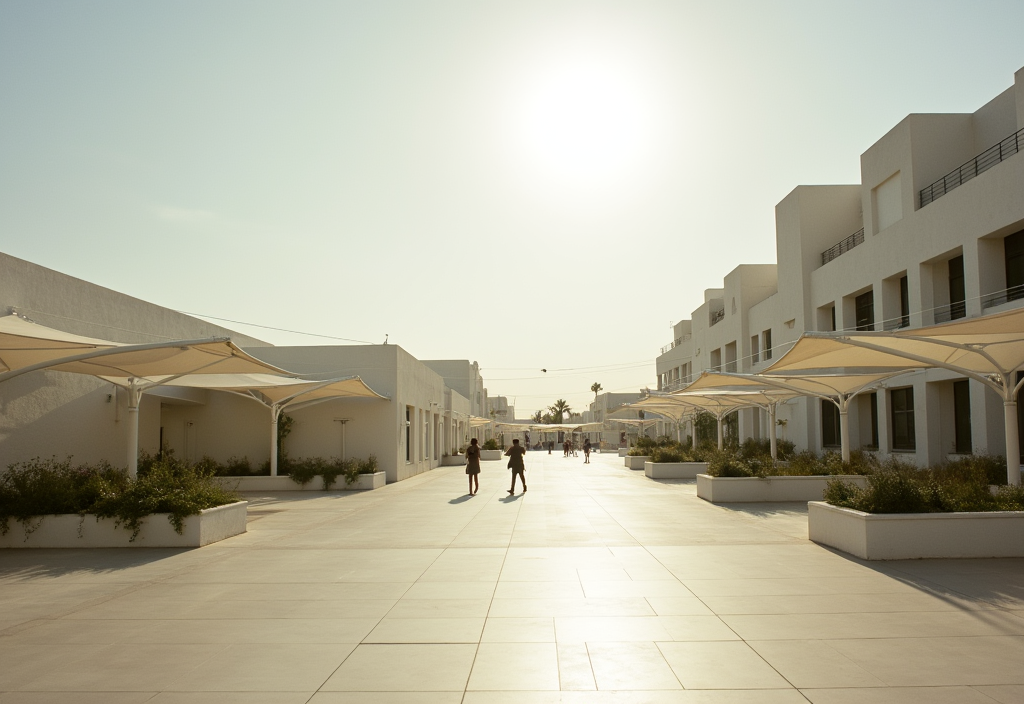
KARACHI — The Bhattis pay their water bill at the kitchen table on the nineteenth of the month, and this month, for the first time, the bill covers a full season of taps that never once ran dry. Rafiq Bhatti reads it aloud the way his father read the electric meter, item by item, while his wife Nasreen keeps the household ledger open beside the flatbread. The Makran desalination corridor delivered continuous pressure to their district through the whole cool season — no cutoffs, no standpipe queues, no dawn scramble for the neighborhood tap. It is, by every measure the family has known, a good year. It is also the most expensive water they have ever bought. The line items tell the corridor's economics without a word of policy: the desalination surcharge, the transfer tariff, the coupon that Rafiq now knows, because his son explained it, is a payment to the finance house that built the pipe. "My father queued for water and paid nothing," Rafiq says, not bitterly, tapping the total. "I turn a tap and pay this. I am not sure which of us was poorer." Nasreen writes the number in the ledger, as she writes every number, and turns the page. The taps stayed on all winter. The ledger, this month, records exactly what that cost — to the rupee, and to something harder to total.
By Halvard Nkemelu · The Lost Archive, World Edition
A dispatch from The Lost Archive, the in-world newspaper of the year 2124 — a work of speculative fiction from The Legacy of the Lost.