The Long View · The Long View
How Fusion Became a Third of the Grid — and Why That Took So Long
The path to a steady 30 percent was less a breakthrough than a long argument the century mostly won.
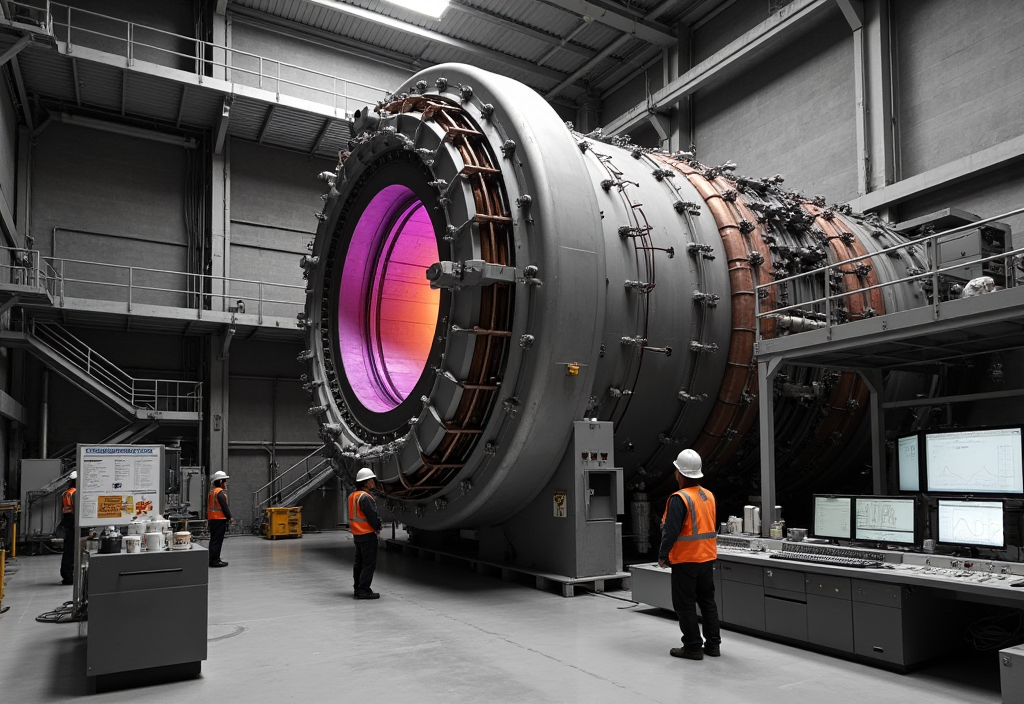
It is easy, in 2124, to treat fusion supplying roughly 30 percent of the grid as a settled fact, the quiet baseload beneath everything else. It was not always quiet, and remembering how it got here corrects the myth of the sudden breakthrough. Commercial fusion did not arrive in a single triumphant year; it accrued, plant by contested plant, across decades of overpromised timelines and grids too fractured to reconnect. The reactor Aurora Fusion Works synced this August — nudging fusion past 31 percent for a season — sits atop a foundation laid by builders who mostly did not live to see a third of the load carried. What the long view teaches is patience without complacency: a third of the grid is a genuine achievement and an insufficient one, because demand has risen to meet it under a mean anomaly still holding at +2.8 degrees. We did the hard thing slowly. The century's unfinished question is whether "slowly" is a luxury the other two-thirds of the grid still allow us.
By Dr. Nadia Brunstein · The Lost Archive, World Edition
A dispatch from The Lost Archive, the in-world newspaper of the year 2124 — a work of speculative fiction from The Legacy of the Lost.