The Long View · The Long View
How We Learned to Live Beside an Unstable Glacier
A century of adaptation taught us to price danger, monitor it, and go on — a habit with a history worth knowing.
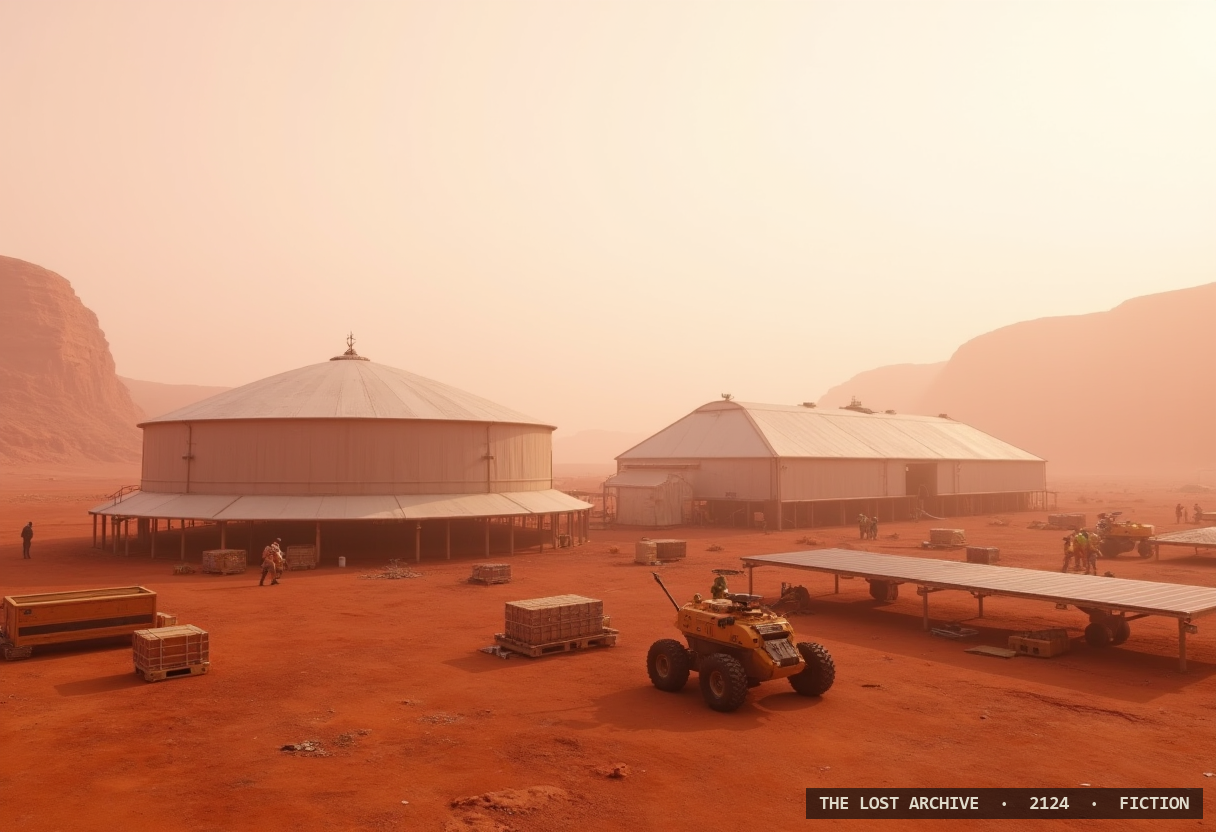
There is a specific competence our century has mastered that our grandparents lacked: the ability to live, productively and without daily terror, next to something publicly described as unstable. The Thwaites sector is monitored, advised upon, insured, and worked. A glacier called unstable and an earnings line called stable share the same page and unsettle almost no one. Dr. Nadia Brunstein reads this not as denial but as the endpoint of a long adaptation — the same faculty that let earlier generations settle floodplains and fault lines, scaled up to a warming world of plus-two-point-eight degrees. We did not learn it overnight. It came through a century of instruments, advisories, and the slow social work of turning a fear into a routine. The faculty is genuinely useful; it is also, Brunstein notes, indistinguishable from complacency until the moment it is not. Which is why history keeps the receipts. The habit of living beside danger is old. The scale is new. The record remembers both.
By Dr. Nadia Brunstein · The Lost Archive, World Edition
A dispatch from The Lost Archive, the in-world newspaper of the year 2124 — a work of speculative fiction from The Legacy of the Lost.